Public Commitments to History and Acknowledgments
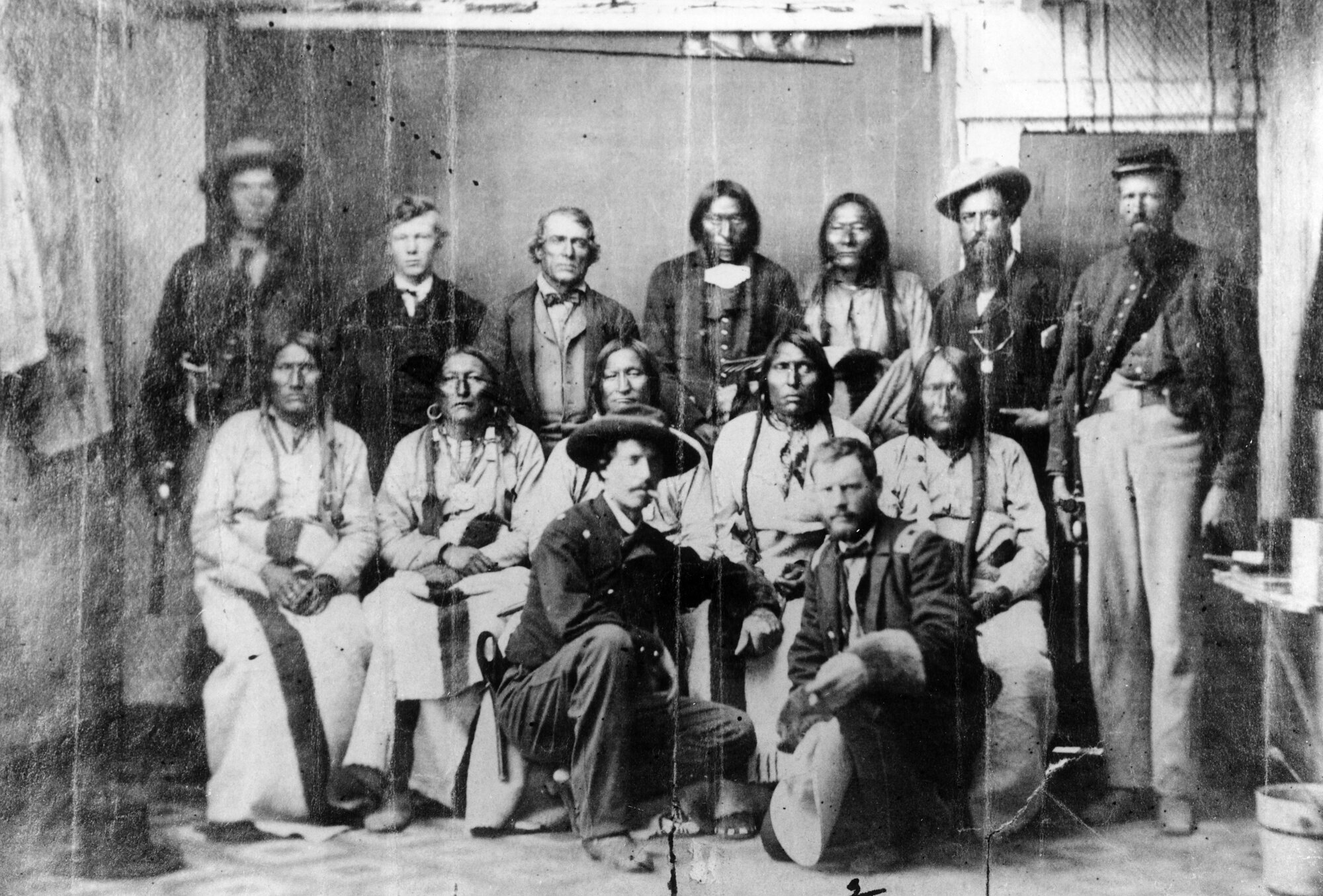
For more than a century, Denver newspapers celebrated Camp Weld’s role in the Civil War—omitting its connections to the Sand Creek Massacre—while the state and city honored it with a historical monument. In the early 1960s, Denver and the Colorado Historical Society went even further, developing sketches for a proposed Camp Weld memorial that was never built.
Denver and the Denver Broncos now have the opportunity to finish that work by telling a fuller history of the place and fulfilling their public commitments to history.
The city’s Burnham Yard Small Area Plan envisions an area “rooted in history,” while the plan’s equity statement calls for history to be honored “in every decision.” In 2025, when the team submitted its first stadium proposal, the Broncos pledged to “celebrat[e] history and culture in authentic ways”. At an August 2026 meeting, the team committed to honoring “Burnham Yard’s Storied History and Proud Legacy”.
Inviting Cheyenne and Arapaho Tribal perspectives—which were recently shared with the city and the Denver Broncos in July 2026—and more fully acknowledging the history of Camp Weld—which was documented in the city’s recent We Are the Land report—can help tell a fuller history of the place.