What Happened to the PeopleWho Gathered at Camp Weld?
The people who gathered at Camp Weld on Sept. 28, 1864, left that meeting on very different paths. Some of the Cheyenne and Arapaho leaders who came seeking peace were killed at Sand Creek. Others survived and continued seeking peace. Military officers who helped bring the delegation to Denver later exposed what happened at Sand Creek.
The Colorado officials who rejected peace at Camp Weld faced federal investigation. Their lives show why Camp Weld was not simply a meeting place. What happened there—and what happened to the people who stood there—became part of the history that followed.
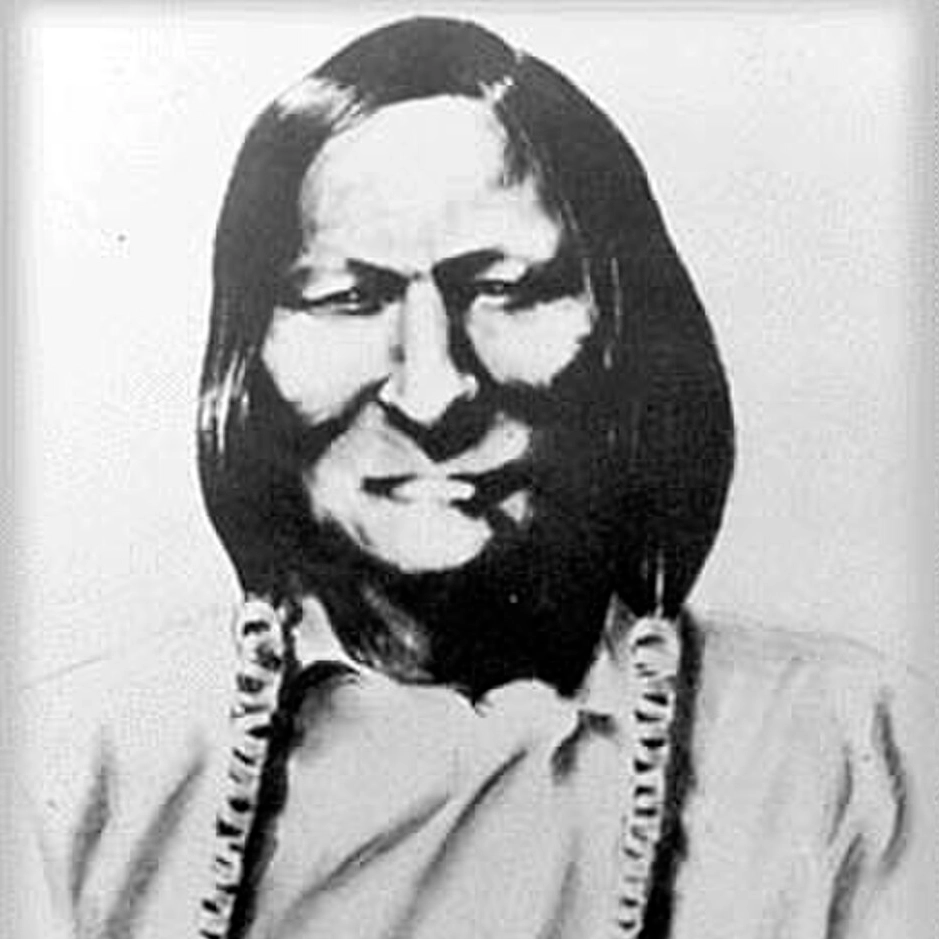
Black Kettle — A Southern Cheyenne leader who came to Camp Weld seeking peace, survived the Sand Creek Massacre, continued negotiating for peace, and was killed with his wife by U.S. soldiers at Washita River in Oklahoma in November 1868.
Wikimedia Commons
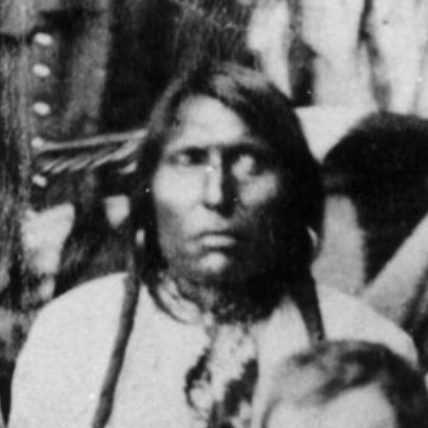
White Antelope — A Cheyenne leader who came to Camp Weld seeking peace in September 1864 and returned to his people after the council. Two months later, he was killed by Colorado troops at the Sand Creek Massacre.
Wikimedia Commons
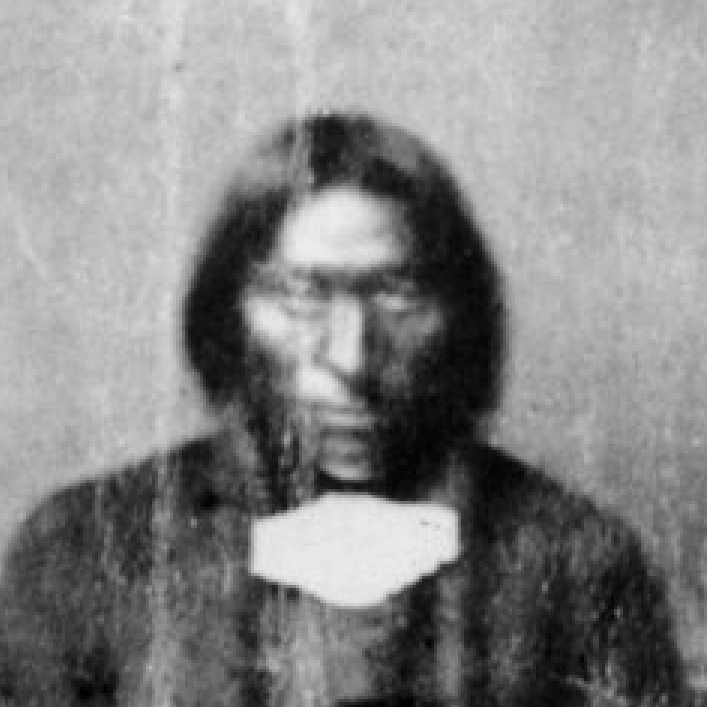
Neva — An Arapaho leader who came to Camp Weld seeking peace on behalf of his brother, Chief Left Hand / Niwot, returned to his people afterward, and was killed by Colorado troops at Sand Creek two months later, according to Southern Arapaho Tribal elders.
Denver Public Library
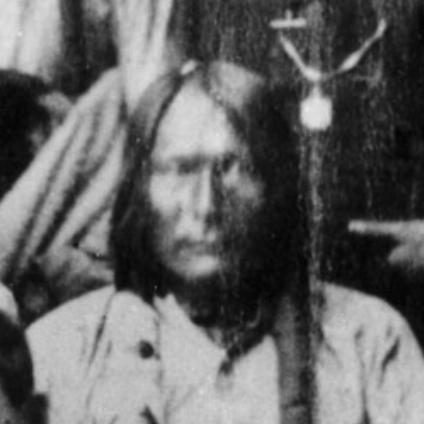
Heap of Buffalo — An Arapaho leader who came to Camp Weld seeking peace in September 1864, returned to his people afterward, and was killed by Colorado troops during the Sand Creek Massacre in November, just two months later.
Denver Public Library
Knock-Knee — An Arapaho leader who came to Camp Weld seeking peace in September 1864, returned to his people afterward, and was killed by Colorado troops during the Sand Creek Massacre in November, just two months later.
Denver Public Library
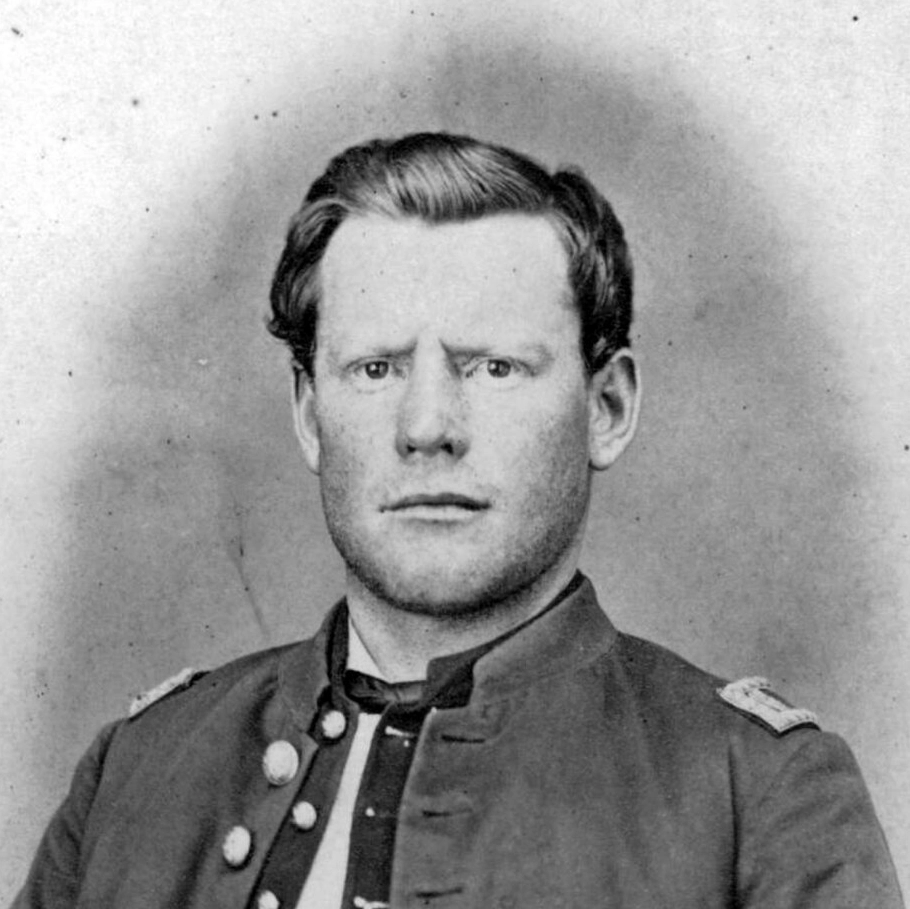
Silas Soule — A First Colorado Cavalry captain who accompanied the peace delegation to Camp Weld, refused to order his company to fire at Sand Creek, later testified about the massacre, and was murdered in Denver in 1865.
Wikimedia Commons
Edward Wynkoop — A U.S. Army officer who brought the Cheyenne and Arapaho peace delegation to Camp Weld, condemned the Sand Creek Massacre, became a federal Indian agent, and later resigned from that position after the Washita Massacre.
Wikimedia Commons
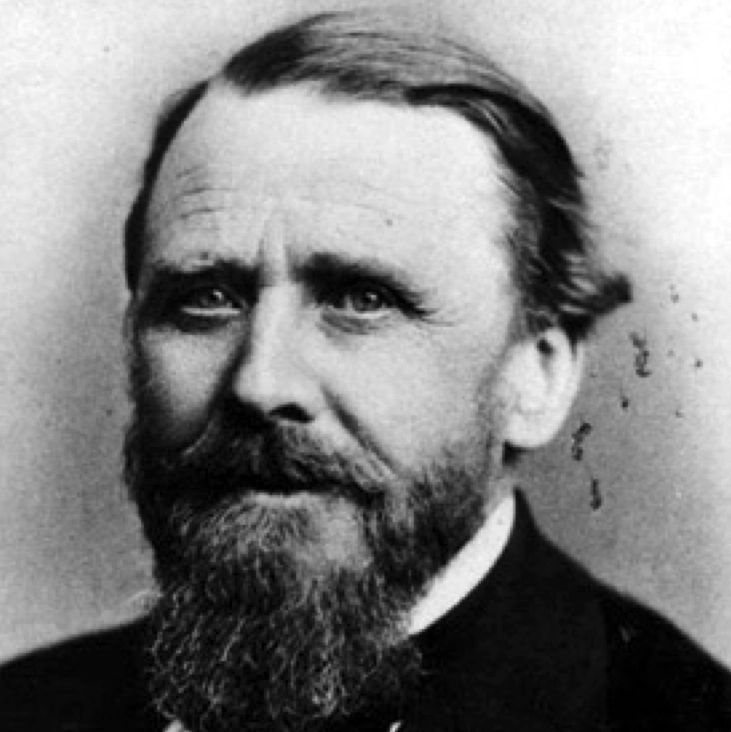
John Evans — Colorado’s territorial governor, who met the peace delegation at Camp Weld and refused to make peace, faced federal scrutiny over his actions surrounding Sand Creek and was removed from office the next year, in 1865.
Wikimedia Commons
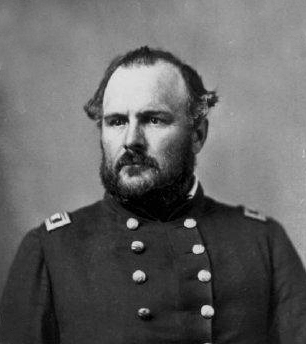
John Chivington — Colorado’s military commander, who met the peace delegation at Camp Weld and led the troops that attacked Sand Creek two months later; federal investigations condemned his conduct, but he was never criminally punished for the massacre.